


Kodomo anime creates magic through bright colors, big smiles, life lessons, and unforgettable theme songs. From robotic cats with wild gadgets to fairy worlds filled with heart, these series shape childhood memories across generations.
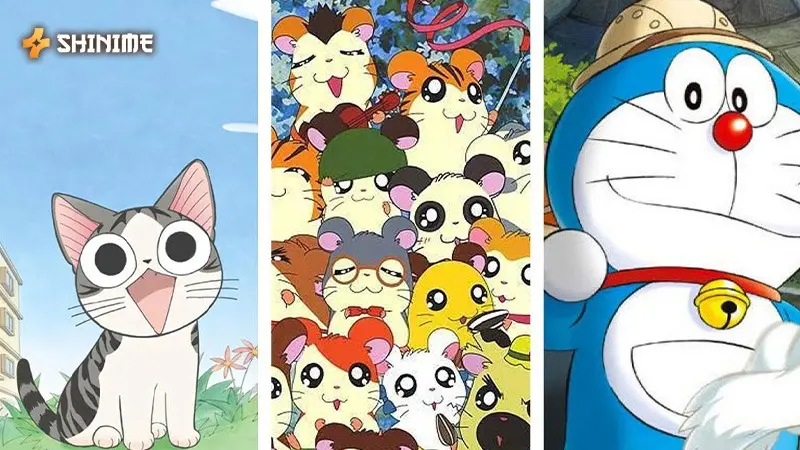
Whether you’re picking safe weekend shows for kids or revisiting classics you grew up with, this lineup delivers pure fun with meaning. Friendship, courage, and curiosity are all here, wrapped in stories that are simple, warm, and endlessly rewatchable.
A Quick Look at Our Top 20 Kodomo Anime Picks
In Japanese, kodomo (子供) means “child.” Kodomo anime refers to series created specifically for children, usually under twelve. Unlike teen-focused titles such as Naruto (shonen) or Sailor Moon (shojo), this category prioritizes clarity, warmth, and emotional accessibility.
Its rise during Japan’s television boom shaped long-running franchises like Doraemon and Anpanman, which established the familiar rhythm of simple problems and meaningful lessons. The kodomo anime style features colorful, rounded designs, episodic storytelling, and themes of friendship, curiosity, and growth. This style supports child development, attention span, and emotional understanding.
Below is our quick-look summary of the 20 best kodomo anime before the detailed breakdown.
|
Rank |
Anime Title |
Age Suitability |
Subgenre |
Episodes |
Primary Platform |
|
1 |
Doraemon |
5–10 |
Sci-fi Slice of Life |
1000+ |
TV Asahi |
|
2 |
Anpanman |
3–6 |
Fantasy |
1000+ |
NTV |
|
3 |
Chibi Maruko-chan |
6–12 |
Slice of Life |
1000+ |
Fuji TV |
|
4 |
Hamtaro |
4–8 |
Animal Adventure |
296 |
TV Tokyo |
|
5 |
Ojarumaru |
5–9 |
Folklore Comedy |
1000+ |
NHK |
|
6 |
Crayon Shin-chan |
7–12 |
Comedy |
1000+ |
TV Asahi |
|
7 |
Pokémon |
6–12 |
Adventure |
1200+ |
TV Tokyo |
|
8 |
Yo-kai Watch |
6–11 |
Supernatural Comedy |
214 |
TV Tokyo |
|
9 |
Beyblade Burst |
7–12 |
Sports/Toy |
200+ |
TV Tokyo |
|
10 |
Pretty Cure |
5–10 |
Magical Girl |
800+ |
TV Asahi |
|
11 |
Aikatsu! |
6–11 |
Idol |
178 |
TV Tokyo |
|
12 |
Shinkansen Henkei Robo Shinkalion |
6–12 |
Mecha |
76 |
TBS |
|
13 |
Kiratto Pri☆Chan |
6–11 |
Idol/Digital |
153 |
TV Tokyo |
|
14 |
Shimajiro |
3–6 |
Educational |
700+ |
TV Tokyo |
|
15 |
Inazuma Eleven |
7–12 |
Sports |
127 |
TV Tokyo |
|
16 |
Chi’s Sweet Home |
4–8 |
Slice of Life |
208 |
TV Tokyo |
|
17 |
Obake no Q-tarō |
5–9 |
Supernatural Comedy |
500+ |
TV Asahi |
|
18 |
Yumeiro Pâtissière |
8–12 |
School/Competition |
63 |
NTV |
|
19 |
Den-noh Coil |
8–12 |
Sci-fi Adventure |
26 |
NHK |
|
20 |
Rilu Rilu Fairilu |
4–9 |
Fantasy |
127 |
TV Tokyo |
20 Best Kodomo Anime List
We ranked this kodomo anime list based on three factors: cultural impact in Japan, fan popularity & longevity, and critical recognition & influence. We also considered how strongly each title represents authentic kodomo anime style. Now let’s break them down.
1. Doraemon
- Release Date: April 2, 1979
- Source Material: Manga by Fujiko F. Fujio (1969)
- Studio: Shin-Ei Animation
- MAL Score: 7.98
- Educational / Developmental Value: Teaches responsibility, consequences of shortcuts, creative problem-solving through sci-fi metaphors.
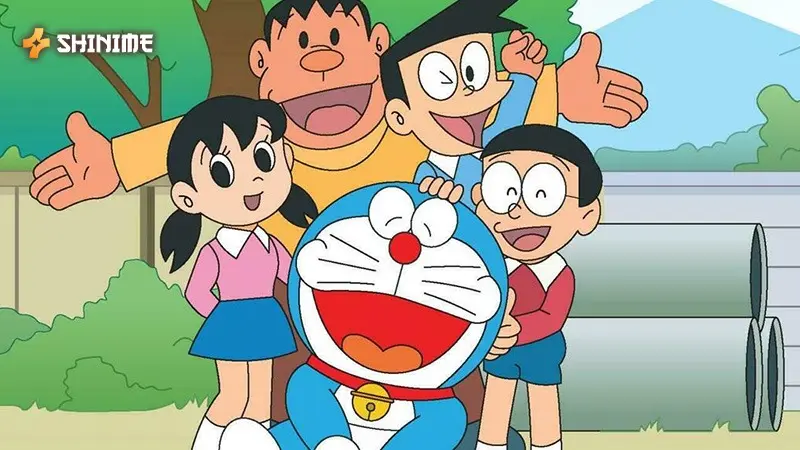
No discussion of the best kodomo anime starts without Doraemon. Created by Fujiko F. Fujio, this robotic cat from the future shaped generations across Japan and Asia. Each episode follows a clear structure: Problem → Gadget → Chaos → Lesson.
The futuristic tools act as metaphors for responsibility. Children learn that shortcuts often bring consequences. The episodic format makes it ideal for early elementary viewers. Doraemon defines modern kodomo storytelling. It is foundational.
2. Anpanman
- Release Date: October 3, 1988
- Source Material: Picture book by Takashi Yanase (1973)
- Studio: TMS Entertainment
- MAL Score: 6.65
- Educational / Developmental Value: Early childhood moral clarity of sharing, kindness, justice, empathy.
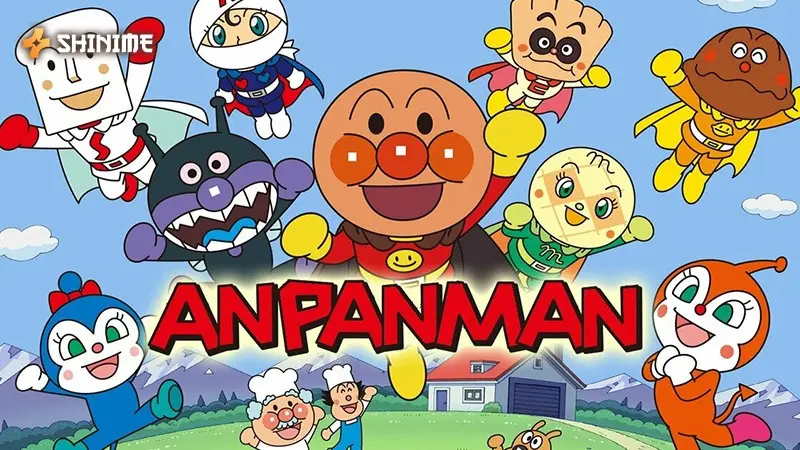
Anpanman dominates preschool entertainment in Japan. Its simple designs and clear good-versus-evil dynamic help very young children understand moral boundaries.
The hero literally shares parts of himself to feed others. That message about kindness and sacrifice supports early emotional growth. Merchandising success also shows how deeply it connects with children.
3. Chibi Maruko-chan
- Release Date: January 7, 1990
- Source Material: Manga by Momoko Sakura (1986)
- Studio: Nippon Animation
- MAL Score: 7.56
- Educational / Developmental Value: Social awareness, family bonding, everyday emotional intelligence.
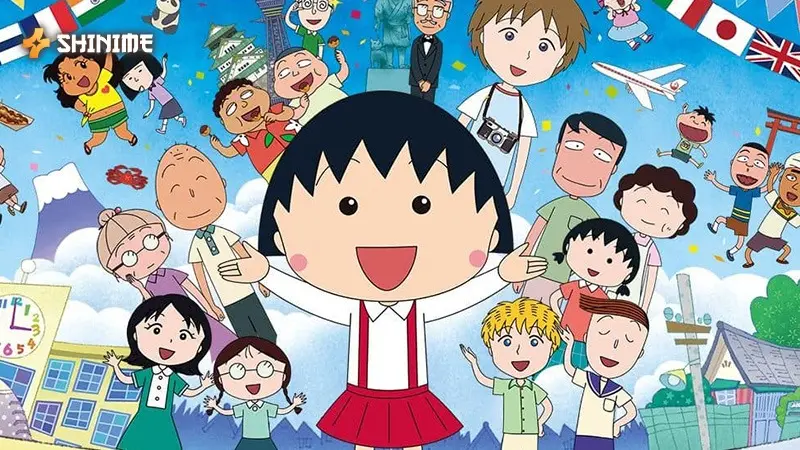
This slice-of-life series centers on a third-grade girl navigating school and family. The humor is grounded in everyday situations. Children see themselves reflected on screen. It encourages empathy, patience, and family appreciation.
Its long run proves lasting relevance in the kodomo anime space.
4. Hamtaro
- Release Date: July 7, 2000
- Source Material: Manga by Ritsuko Kawai (1997)
- Studio: TMS Entertainment
- MAL Score: 7.03
- Educational / Developmental Value: Cooperation, friendship, gentle conflict resolution.
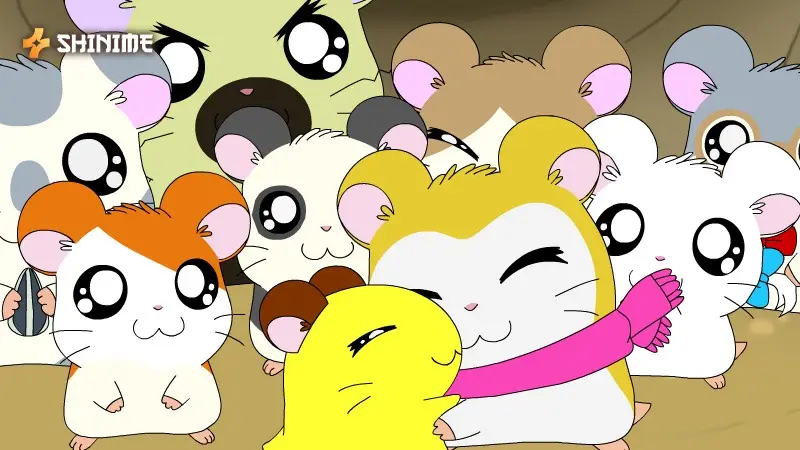
Cute hamster mascots drive gentle adventures. Each story focuses on small problems solved through cooperation. The tone is calm, safe, and encouraging for younger viewers. Hamtaro expanded globally, showing how animal-centered kodomo anime can cross cultures.
5. Ojarumaru
- Release Date: October 5, 1998
- Source Material: Original concept by Rin Inumaru
- Studio: Gallop
- MAL Score: 7.19
- Educational / Developmental Value: Cultural tradition awareness, manners, behavioral reflection.
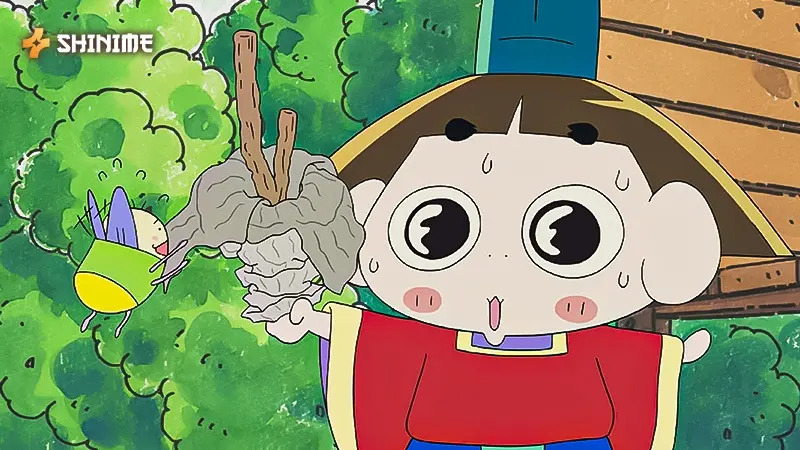
Rooted in Japanese folklore, this series blends tradition and comedy. The childlike prince from the Heian era navigates modern life. Episodes subtly teach manners and cultural respect without feeling heavy.
Its longevity on NHK highlights educational trustworthiness.
6. Crayon Shin-chan
- Release Date: April 13, 1992
- Source Material: Manga by Yoshito Usui (1990)
- Studio: Shin-Ei Animation
- MAL Score: 7.81
- Educational / Developmental Value: Family dynamics, humor-based social commentary.
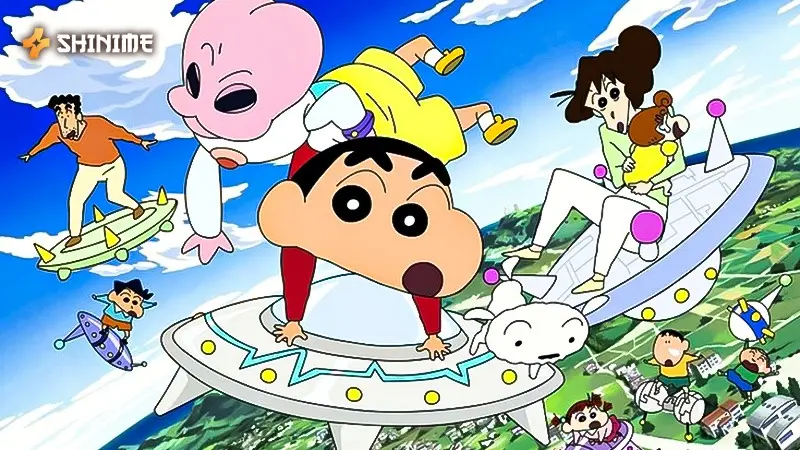
Shin-chan pushes boundaries with mischievous humor, yet it remains widely watched by children in Japan. Family dynamics remain central. Beneath the jokes lies commentary on parenting and growing up.
Its comedic exaggeration represents another branch of kodomo anime style: energetic and chaotic, yet accessible.
7. Pokémon
- Release Date: April 1, 1997
- Source Material: Video game by Satoshi Tajiri / Game Freak (1996)
- Studio: OLM
- MAL Score: 7.38
- Educational / Developmental Value: Teamwork, perseverance, sportsmanship.

Few franchises rival Pokémon’s global scale. At its core, the series follows a clear adventure formula built on teamwork and perseverance. While it appeals to older audiences, its structure and messaging remain grounded in kodomo principles.
The franchise demonstrates how kodomo anime can expand worldwide without losing child-centered values.
8. Yo-kai Watch
- Release Date: January 8, 2014
- Source Material: Video game by Level-5 (2013)
- Studio: OLM
- MAL Score: 6.89
- Educational / Developmental Value: Emotional self-awareness, humor-driven problem solving.

This supernatural comedy captures elementary school imagination. The monster-of-the-week format keeps episodes light. Humor replaces fear, making supernatural elements approachable. While often compared to Pokémon, Yo-kai Watch leans more into comedy and social satire.
9. Beyblade Burst
- Release Date: April 4, 2016
- Source Material: Manga by Hiro Morita (2015)
- Studio: OLM
- MAL Score: 6.77
- Educational / Developmental Value: Competitive resilience, structured goal setting.
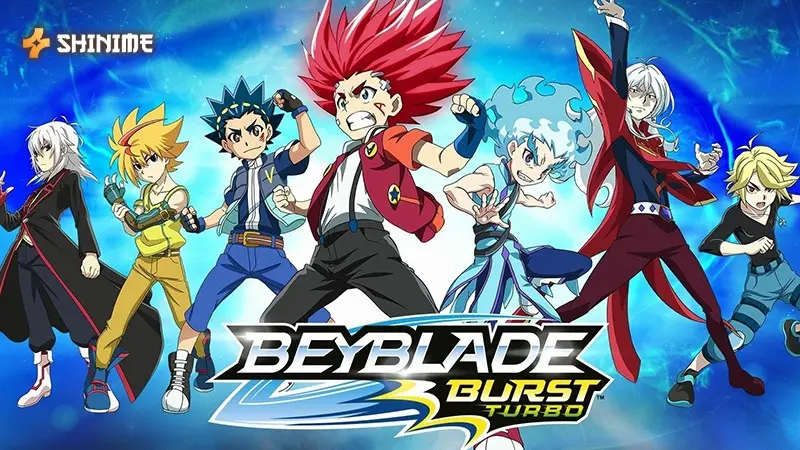
Built around spinning-top competitions, this series highlights perseverance and structured tournaments. It blends toy marketing with genuine character growth. Rivalries stay friendly and motivating rather than destructive.
The sports format appeals strongly to upper elementary viewers.
10. Pretty Cure
- Release Date: February 1, 2004
- Source Material: Original concept by Izumi Todo
- Studio: Toei Animation
- MAL Score: 7.12
- Educational / Developmental Value: Empowerment, courage, cooperative leadership.

Pretty Cure revitalized magical girl content for younger audiences. Transformation sequences are colorful and empowering. Themes of friendship and courage dominate each season. It remains one of the most successful ongoing children’s anime franchises.
11. Aikatsu!
- Release Date: October 8, 2012
- Source Material: Arcade game by Bandai (2012)
- Studio: Sunrise
- MAL Score: 7.51
- Educational / Developmental Value: Discipline, creativity, aspirational goal pursuit.

Aikatsu! introduces idol culture in a simplified and positive format. Competition exists, but it emphasizes growth and teamwork. Children learn about dedication and dreams in a safe narrative environment.
It connects fashion, music, and aspiration for young viewers.
12. Shinkansen Henkei Robo Shinkalion
- Release Date: January 6, 2018
- Source Material: Toy line by Takara Tomy
- Studio: OLM
- MAL Score: 7.10
- Educational / Developmental Value: STEM curiosity, teamwork, engineering interest.

This mecha series transforms bullet trains into robots. It encourages curiosity about technology and engineering. STEM interest blends with heroic teamwork. Shinkalion proves kodomo anime can inspire real-world learning while staying exciting.
13. Kiratto Pri☆Chan
- Release Date: April 8, 2018
- Source Material: Arcade game by Takara Tomy / Syn Sophia
- Studio: Tatsunoko Production
- MAL Score: 6.70
- Educational / Developmental Value: Digital literacy, online creativity, collaboration.

Kiratto Pri☆Chan reflects how kodomo anime evolves with the digital age. The story centers on girls creating online content through a virtual performance platform. It introduces ideas like streaming, creativity, and digital identity in a safe, simplified way.
Instead of focusing on fame, the narrative highlights friendship and collaboration. Characters support each other’s growth while learning responsibility in public spaces. For younger viewers growing up with tablets and social apps, this series connects entertainment with digital literacy.
14. Shimajiro
- Release Date: December 13, 1993
- Source Material: Educational character franchise by Benesse
- Studio: Studio Comet (later seasons: various studios)
- MAL Score: 6.40
- Educational / Developmental Value: Hygiene habits, social behavior, emotional regulation.
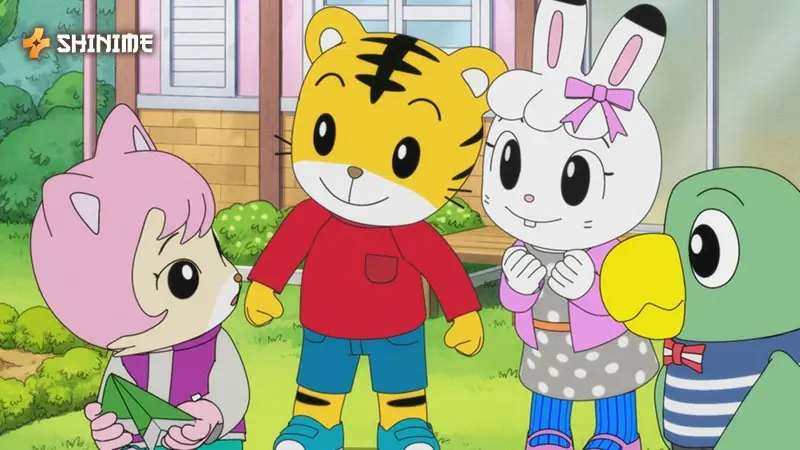
Shimajiro is one of the clearest examples of educational kodomo anime. Designed for preschoolers, it teaches hygiene, manners, sharing, and emotional regulation.
Episodes follow structured lessons. Problems are simple and solutions are direct. Songs and repetition reinforce learning. Parents often use Shimajiro as a bridge between entertainment and early childhood education. Its calm pacing and clear messaging make it ideal for ages 3–6.
15. Inazuma Eleven
- Release Date: October 5, 2008
- Source Material: Video game by Level-5 (2008)
- Studio: OLM
- MAL Score: 7.68
- Educational / Developmental Value: Leadership, teamwork, perseverance.
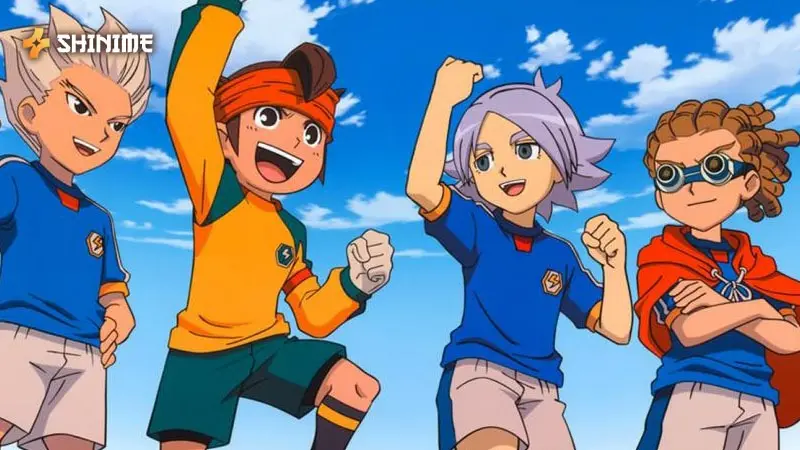
Inazuma Eleven blends soccer with dramatic special moves, yet its core remains teamwork and perseverance. Characters grow through structured training and honest rivalry. Victories feel earned. Losses teach resilience. While energetic, the tone stays positive and motivating.
Among sports entries in our kodomo anime list, this one stands out for strong character development and moral consistency.
16. Chi’s Sweet Home
- Release Date: March 31, 2008
- Source Material: Manga by Kanata Konami (2004)
- Studio: Madhouse
- MAL Score: 7.73
- Educational / Developmental Value: Empathy, pet responsibility, emotional bonding.

This gentle series follows a kitten adapting to life with a human family. Episodes are short, making them perfect for younger attention spans. Through Chi’s experiences, children learn empathy, responsibility, and patience.
The emotional lessons come naturally through pet care and small daily events. Its soft color palette and simple humor also reflect classic kodomo anime style, focused on warmth and safety.
17. Obake no Q-tarō
- Release Date: April 1, 1985
- Source Material: Manga by Fujiko Fujio (1964)
- Studio: Shin-Ei Animation
- MAL Score: 7.06
- Educational / Developmental Value: Friendship, accountability, humor-based learning.
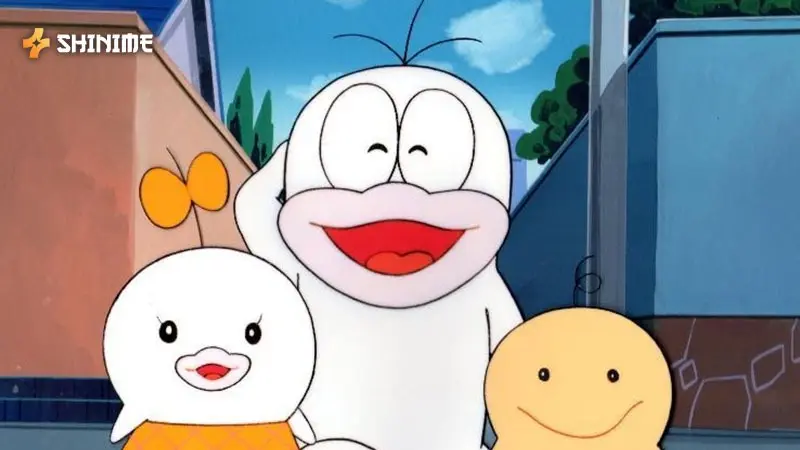
Obake no Q-tarō features a friendly ghost navigating everyday life with children. The supernatural element is playful, not frightening. Stories revolve around friendship, responsibility, and learning from mistakes. Humor keeps the tone light.
Historically, this series helped define early comedic kodomo anime and showed that fantasy can support emotional education.
18. Yumeiro Pâtissière
- Release Date: October 4, 2009
- Source Material: Manga by Natsumi Matsumoto (2008)
- Studio: Studio Pierrot
- MAL Score: 7.83
- Educational / Developmental Value: Perseverance, mentorship, skill mastery.

Set in a culinary academy, Yumeiro Pâtissière focuses on ambition and self-improvement. The protagonist trains to become a skilled pastry chef, guided by mentors and magical “sweets spirits.” Competition exists, but rivalry stays respectful. Mistakes lead to growth rather than humiliation.
This balance makes the series accessible to late elementary viewers. It promotes perseverance, creativity, and learning from guidance. In our ranking, it represents aspirational storytelling within kodomo anime without losing emotional clarity.
19. Den-noh Coil
- Release Date: May 12, 2007
- Source Material: Original work by Mitsuo Iso
- Studio: Madhouse
- MAL Score: 8.03
- Educational / Developmental Value: Digital literacy, critical thinking, collaborative problem-solving.

Den-noh Coil explores augmented reality through children’s eyes. While it includes advanced sci-fi ideas, the emotional focus remains on curiosity and teamwork. Kids use digital tools to solve mysteries and navigate friendships.
The show introduces digital literacy in an understandable way. It demonstrates how kodomo anime can modernize its themes without abandoning emotional accessibility.
20. Rilu Rilu Fairilu
- Release Date: February 6, 2016
- Source Material: Sanrio character franchise
- Studio: Studio DEEN
- MAL Score: 6.32
- Educational / Developmental Value: Emotional self-awareness, kindness, imaginative play.
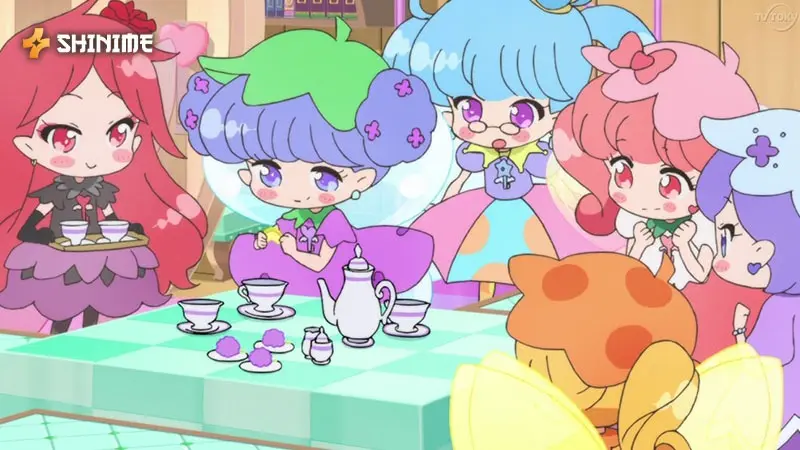
Rilu Rilu Fairilu presents a pastel fairy world filled with gentle conflicts and personal growth. Episodes emphasize kindness, self-discovery, and friendship. Emotional struggles are clearly defined and resolved through cooperation.
The bright aesthetic and simple storytelling appeal strongly to younger girls. Its merchandising ecosystem supports its popularity, but the emotional lessons remain the foundation. It embodies classic kodomo anime principles through imagination and heart.
All in all, choosing the right kodomo anime starts with your child’s age and interests. For preschoolers, gentle pacing and clear lessons in series like Shimajiro and Anpanman support early development. Children in early elementary years often enjoy adventure and teamwork in Pokémon or Doraemon.
Pre-teens may connect more with competitive growth stories such as Inazuma Eleven. Some shows nurture social skills, others spark curiosity or creativity. The best kodomo anime curated by Shinime Anime blends fun with steady emotional growth, helping children learn while they enjoy the ride.