

Okay, real talk – I went into Hell’s Paradise expecting just another battle shonen with cool fight scenes. What I got instead? An existential crisis wrapped in gorgeous gore that I couldn’t stop thinking about for WEEKS. And now I’m here to drag you into this obsession with me.
What Even Is This Show?
Picture this: Edo-era Japan, but make it a nightmare. You’ve got death-row convicts who are basically walking war crimes, elite executioners who could slice you in half before you blink, and a mysterious island that promises immortality but delivers pure horror. Yuji Kaku created something special when he started this manga back in 2018 in Shonen Jump+, and when MAPPA (yes, THAT MAPPA) got their hands on the Hell’s Paradise: Jigokuraku anime adaptation for 2023? Chef’s kiss.
I binged all 13 episodes of Season 1 in like two days, and let me tell you – the withdrawal was REAL. Good news though: Season 2 drops January 2026 on Crunchyroll, and I’ve already set approximately seventeen calendar reminders because I’m not missing this for anything.
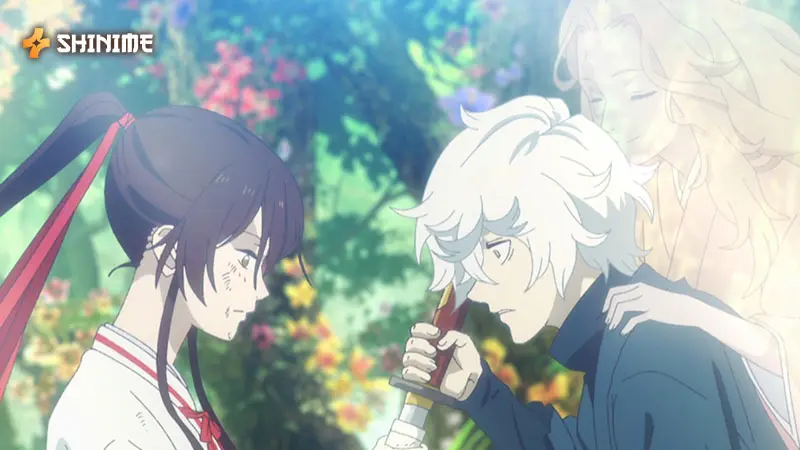
If you loved the dark vibes of Jujutsu Kaisen or the unhinged energy of Chainsaw Man, drop everything and watch this. My rating? 8.7/10. It’s not flawless, but it’s the kind of flawed that makes you love it even more.
The Plot That Had Me Yelling At My Screen
So there’s this guy, Gabimaru the Hollow – and yes, that name is as ominous as it sounds. He’s supposedly this invincible ninja assassin who can’t be executed no matter what they try. Beheading? Nope. Burning? Nah. The government is basically running out of ideas when they make him an offer: go to this mythical island called Shinsenkyo, grab an immortality elixir, and you’re free to go back to your wife.
(Side note: his relationship with his wife Yui becomes SO important and I’m still emotional about it, but no spoilers!)
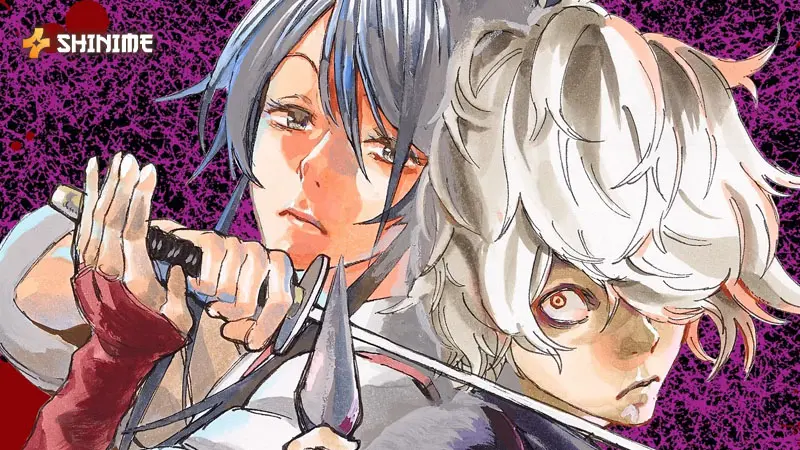
They pair him up with Yamada Asaemon Sagiri, this executioner who’s supposed to supervise him, and honestly? Their dynamic is everything. She’s dealing with imposter syndrome and sexism in her field, he’s pretending he doesn’t have emotions – it’s a whole thing. They join this ragtag group of criminals and overseers, and what starts as a straightforward survival mission spirals into something way more philosophical and mind-bending.
The manga has 127 chapters that I absolutely devoured, and trust me, the story evolution is WILD. You start with pure brutal survival horror, and by the end you’re contemplating the nature of existence and what it means to be human while watching people get absolutely destroyed by flower monsters. The tonal shift works though – it sneaks up on you.
Hell’s Paradise – Official Trailer
Let Me Break Down The Journey (Spoiler-Lite, I Promise)
The story unfolds across 13 arcs, and each one hit different:
The Beginning introduces you to Gabimaru’s tragic backstory and his partnership with Sagiri. You think you’re getting a cold-blooded killer, but there’s so much more beneath that facade. The moment you realize what actually drives him? Oof, right in the feels.
Early Island Arcs are where things get BRUTAL. There’s this sequence with flowers that still haunts me (and I mean that literally – the body horror is inventive). Watching the convict roster get culled while Sagiri questions everything she believes in? Peak tension. And when Gabimaru’s supposed invincibility starts cracking during these intense rival battles, you realize his love for Yui isn’t just backstory – it’s his entire power system.
Mid-Series Chaos is when the island truly shows its teeth. Giants, impossible monsters, desperate alliances between people who should be killing each other – it’s survival rage cranked to eleven. There’s this arc focused on Nurugai (this young Sanka survivor) that explores gender biases and innocence in the most heartbreaking way, especially when she faces off against absolute monsters like Rokurota. I was NOT ready for how much I’d care about these characters.
The Tensen Revelation changed everything for me. When these immortal beings show up and you start learning the actual lore of the island through characters like Mei and Hoko? My jaw was on the floor. The fights become these desperate struggles where instinct battles logic, and the animation during these sequences is stunning.
The Philosophy Kicks In around the later arcs (roughly 9-13), and this is where Hell’s Paradise becomes something special. They introduce this whole Tao energy system – basically a yin-yang life force that’s equal parts fascinating and terrifying. Characters start questioning what it means to be human versus divine, there are training montages that actually matter to the plot, and the power-ups feel earned rather than random.
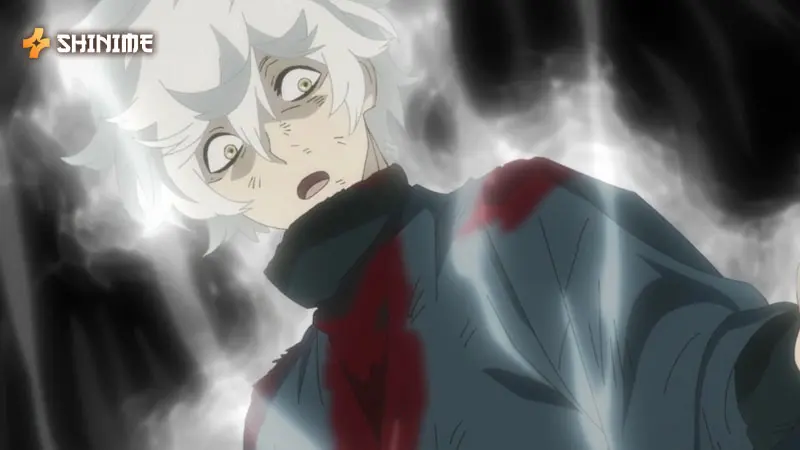
The climax? I can’t say much without spoiling, but it probes into memories, relationships, and delivers twists that recontextualize everything you’ve watched. It’s profound in a way that sneaks up on you.
Hell’s Paradise: Jigokuraku Characters That Destroyed My Heart
Listen, I could write a whole separate essay about these characters (and honestly, I might). The search traffic for the main characters of Hell’s Paradise Jigokuraku is through the roof, and it’s completely deserved. This cast is STACKED.
Gabimaru starts as this emotionless killing machine, but watching him rediscover his humanity through his quest to return to Yui? That’s the good stuff. Chiaki Kobayashi’s voice acting captures every crack in that stoic facade perfectly. His Tao mastery evolution is epic, sure, but it’s the emotional journey that got me.
Sagiri became my favorite character somewhere around episode 4 and never let go. She’s this executioner struggling with self-doubt, fighting against people who don’t think women belong in her role, all while developing into an absolute Tao genius. Yumiri Hanamori’s performance is incredible – you can hear her character’s growth in every line. That moment when she finally proves herself? I may have cried. Just a little.
But the supporting cast? They’re not just background characters waiting to die:
Yuzuriha, the kunoichi criminal who’s way too good at poisoning people and making questionable alliances, brings this sly energy that cuts through the darkness. Her survival instincts are chef’s kiss.
Aza Chobei and Toma, the bandit brothers, hit me harder than I expected. Their loyalty to each other, combined with Chobei’s ridiculous regeneration abilities and pure rage – they’re the chaotic duo you can’t help but root for, especially in the later arcs.
Tamiya Gantetsusai is your boisterous bruiser with a heart of gold who provides much-needed comic relief without being annoying. His relationship with his assigned executioner adds layers I didn’t expect.
Nurugai represents innocence thrown into absolute hell, and her arc exploring cultural guilt and survival gutted me. She’s proof that this show knows how to handle serious themes with care.
Then you’ve got the antagonists like the Tensen immortals (Ju Fa still gives me nightmares), who embody this divine arrogance that makes them genuinely terrifying. And executioners like blind Shion who drop wisdom bombs while being absolute badasses.
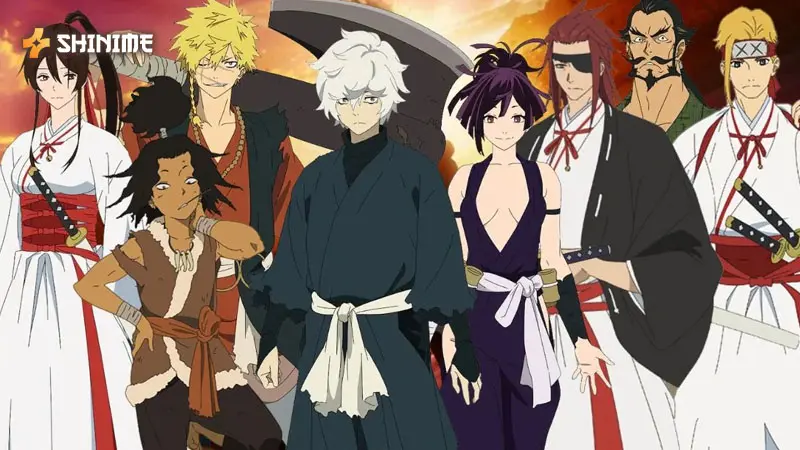
Here’s the thing though – some characters get built up really well only to die quickly, and while it serves the brutal tone, I wish we’d gotten more time with some of them. The emotional beats sometimes feel rushed when the cast is this crowded.
The Visuals That Melted My Eyeballs (In The Best Way)
Yuji Kaku’s manga art is this gritty, detailed masterpiece. The way he draws body horror, especially those floral mutations? It shouldn’t be beautiful but somehow it IS. Every panel feels deliberate and intense.
But MAPPA taking this to animation? They understood the assignment. The fight choreography is fluid and brutal, the atmosphere is oppressively eerie when it needs to be, and the Tao energy flows are visually STUNNING. They blend Edo-period aesthetics with fantasy horror in a way that rivals their work on Jujutsu Kaisen. Watching Gabimaru’s fire techniques clash against Tensen abilities in full color and motion is an absolute feast.
The Sound Design That Lives In My Head Rent-Free
Yoshiaki Dewa’s score does so much heavy lifting. The battle themes amp everything up to eleven, but it’s the subtle horror undertones during exploration scenes that really got under my skin.
And can we talk about “Work” by Millennium Parade? That opening is pure adrenaline. I have it on repeat during workouts now. The endings hit different though – they’re melancholic and reflective, perfect for coming down from the chaos.
The voice acting across the board is TOP TIER. These stoic characters who crack with emotion at just the right moments? The delivery is perfection.
It’s Not Just Gore – There’s Real Depth Here
Look, I love a good fight scene as much as the next person, but Hell’s Paradise: Jigokuraku offers something more. This is a full-blown meditation on balance – yin and yang, strength and weakness, human and divine. The Tao system isn’t just cool powers; it’s a philosophical framework that makes you think.
The show critiques power structures (the Shogunate’s tyranny is a whole undercurrent), mixes Buddhist and Taoist concepts, and turns fights into existential debates. That scene where they discuss whether weakness can actually be strength? Still thinking about it.
Without spoiling the later arcs, I’ll just say this: the exploration of artificial paradises and the question of human divinity is mind-blowing. This isn’t mindless action – it’s action with PURPOSE.
Let’s Be Real: The Highs And Lows
What Works:
- The pacing is addictive. I kept saying “one more episode” until suddenly it was 3 AM
- The battles require actual strategy and intelligence, not just power-ups
- The visuals and animation are gorgeous (solid 9/10 experience)
- Characters and philosophy elevate this way beyond generic battle shonen
- That perfect balance of horror, action, and heart
What Could Be Better:
- The cast gets overcrowded, and not everyone gets the development they deserve
- Some emotional beats feel rushed because there’s so much happening
- The early arcs, while great, do feel a bit Battle Royale-lite before the story finds its unique voice
Similar Vibes: If you’ve read Psyren or Cage of Eden, you’ll feel at home here, but Hell’s Paradise brings more philosophical depth and significantly more gore.
Should YOU Watch This?
If you’re craving dark fantasy with actual substance, if you want characters who feel real and flawed, if you don’t mind (or actively enjoy) creative violence and body horror – this is your show. The manga is complete, so you can binge the whole story, or you can watch Season 1 on Crunchyroll right now and join me in the agonizing wait for Season 2.
Skip it if gore genuinely bothers you, because this show does NOT hold back. But honestly? This is one of those underrated gems that deserves way more hype.
In a sea of cookie-cutter shonen, Hell’s Paradise: Jigokuraku stands tall as a seinen masterpiece that respects your intelligence while thoroughly entertaining you. It’s bloody, it’s beautiful, it’s boldly philosophical, and it’s stuck in my brain probably forever.
So what are you waiting for? Paradise awaits… though honestly, it might be hell. But trust me – it’s the best kind of hell.
(Now if you’ll excuse me, I need to go rewatch the Gabimaru vs Zhu Jin fight for the seventh time while I contemplate existence.)
And if you loved this passionate rant about Hell’s Paradise and want more brutally honest anime reviews, breaking news, and fan theories that’ll keep you up at night, head over to Shinime Anime for all the latest anime coverage!